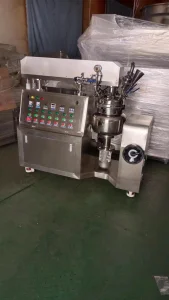
1. The Industrial Evolution of Compact Design Powder Filling Machinery
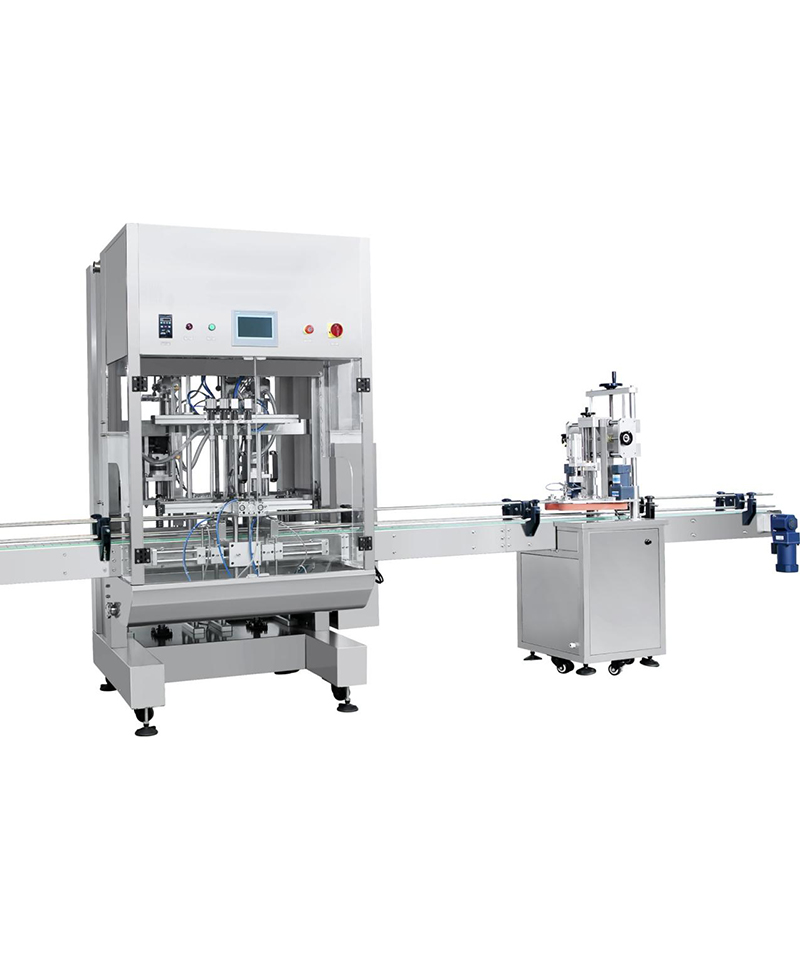
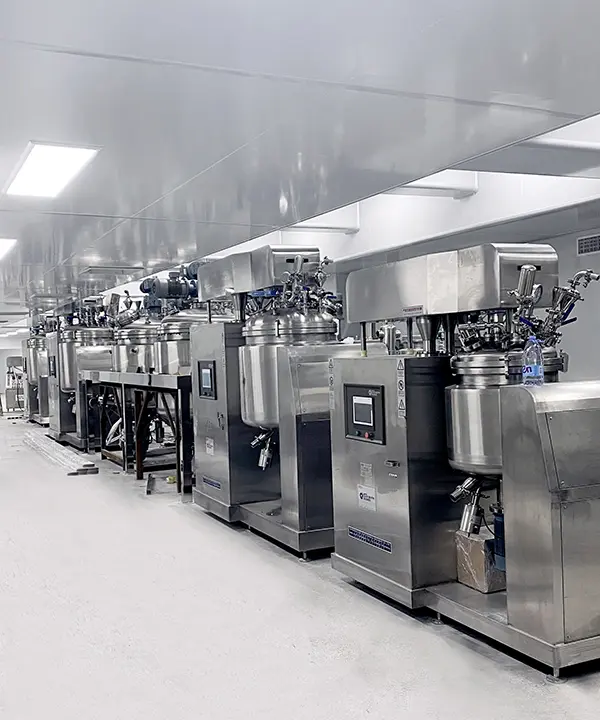
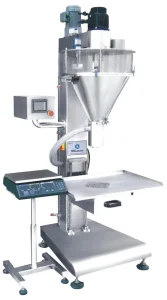
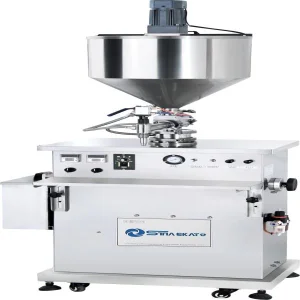
In the modern landscape of powder packaging, space-constrained pharmaceutical, cosmetic, and chemical production cleanrooms have forced a critical paradigm shift: the integration of high-precision dosing mechanisms within ultra-compact footprints. Compact design powder filling machines utilize vertical space optimization and advanced auger configurations to perform microscopic dosage configurations without sacrificing cleanroom space. Globally, space in sanitary manufacturing cleanrooms is priced at a premium. Consequently, investing in custom-configured, space-saving equipment allows plants to maximize output per square meter.
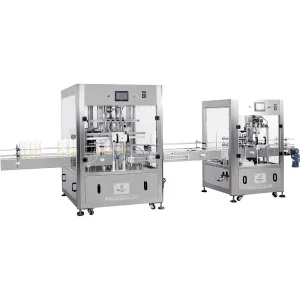
By minimizing structural bulk, these compact powder fillers make it possible to integrate complex dust extraction manifolds, load-cell feedback networks, and clean-in-place (CIP) structures directly above or adjacent to the main conveyor track. Whether handling free-flowing granules or non-free-flowing cohesive powders (such as micro-dose cosmetics, face powders, and pharmaceutical active ingredients), a compact auger system ensures dust-free containment, preventing cross-contamination in multi-product facilities.
2. Global Sourcing & Buying Patterns: The Demand for Custom Micro-Dosing
Worldwide procurement trends show a significant rise in the demand for customized semi-automatic and fully-automatic compact powder fillers. Procurement departments in developed markets like North America and the European Union are actively targeting OEM/ODM factories in China to leverage cost-efficient customization pipelines. This dynamic allows organizations to implement custom specifications (such as SUS316L contact parts, explosion-proof motors, and Siemens PLC interfaces) without exceeding project budget caps.
The primary driver for buying "Discount" (cost-optimized) compact powder filling systems is not merely initial capital savings; it is the reduction of total cost of ownership (TCO). High-quality engineering guarantees that structural components, wear-and-tear gaskets, and auger screws have long operational lifespans, reducing maintenance intervals and boosting plant Overall Equipment Effectiveness (OEE).