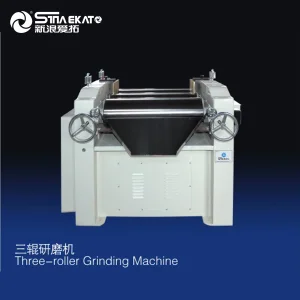
In the high-precision world of chemical processing, the Three-Roll Grinder (Triple Roll Mill) stands as the gold standard for achieving sub-micron particle size distribution in high-viscosity materials. As global manufacturers shift toward "Industry 4.0," the demand for CE Certified Three-Roll Grinder Manufacturers has surged. This certification is not merely a legal requirement for the European Economic Area; it is a hallmark of safety, electromagnetic compatibility, and mechanical integrity that top-tier global factories demand.
Most manufacturers overlook the fact that CE certification for industrial grinders involves rigorous testing of the Emergency Braking Distance and Roller Pressure Release Systems. A certified machine ensures that in the event of a foreign object entering the nip, the rollers disengage in less than 0.5 seconds, preventing catastrophic damage and ensuring operator safety—a critical component of the "Reliability" pillar in E-E-A-T.
The evolution of the Three-Roll Grinder has moved through three distinct eras. Understanding this roadmap is essential for procurement managers looking to "future-proof" their production lines.
Early models relied on manual handwheels and operator intuition. While effective for basic inks and paints, they lacked repeatability. SinaEkato’s early research focused on stabilizing the alloy hardness of the rollers to ensure uniform wear over decades of use.
Introduction of PLC (Programmable Logic Controller) systems allowed for precise control over roller speeds and temperatures. Hydraulic Three-Roll Mills became the industry standard, providing consistent pressure that manual systems could never replicate. This era focused on the "Standardization" of output.
The future of Three-Roll Grinders lies in Sensor-Fusion Technology. Modern machines now feature:
Top-tier manufacturers no longer just sell hardware; they provide Total Process Solutions. For a global enterprise, the Three-Roll Grinder is one node in a complex ecosystem.
Focus on 316L Stainless Steel compliance and easy-clean designs to prevent cross-contamination in lipstick and medical ointment production.
Nanoscale dispersion for silver and gold pastes used in multilayer ceramic capacitors, requiring ceramic rollers (Alumina or Zirconia) to avoid metallic contamination.
High-throughput solutions for UV-curable inks, focusing on advanced cooling systems to prevent premature polymerization during the grinding process.
When sourcing from China Factory 4.0, global buyers prioritize localized support. Our network provides:
The advantage of a SinaEkato partnership lies in our "Vertical Integration." Unlike assemblers, we manufacture the core components—from the precision-ground rollers to the PLC housing. This control ensures:
1. Efficiency Advantage: 30% faster lead times through automated CNC machining centers.
2. Quality Consistency: Every roller undergoes ultrasonic flaw detection and dynamic balancing.
3. Cost Optimization: By leveraging China's massive industrial cluster, we provide "Information Gain" via superior tech at a more competitive TCO (Total Cost of Ownership).
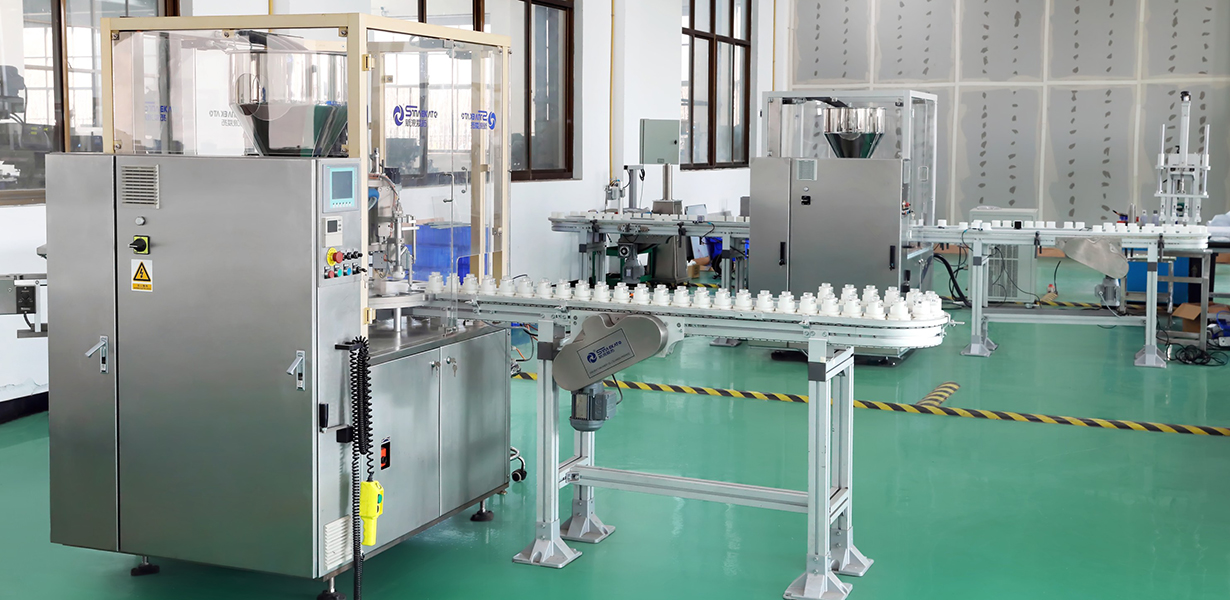
Custom design services for specialized material processing, ensuring the machine fits your unique workflow.
Stable performance backed by ISO9001 and CE certification protocols.
Worldwide installation assistance and dedicated cooperation for mutual development.
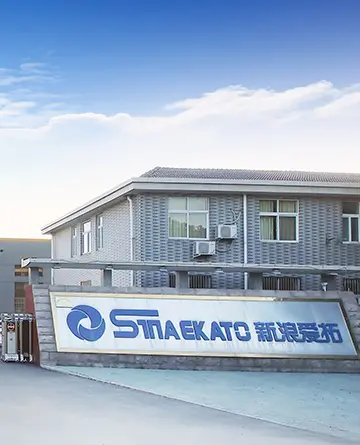
Headquarter & Sales Center: Global reach with offices in Hong Kong, Guangzhou, and on-site support worldwide.
Certifications: Patent Certificates, CE, ISO9001, Stainless Steel 316L Material Certs.
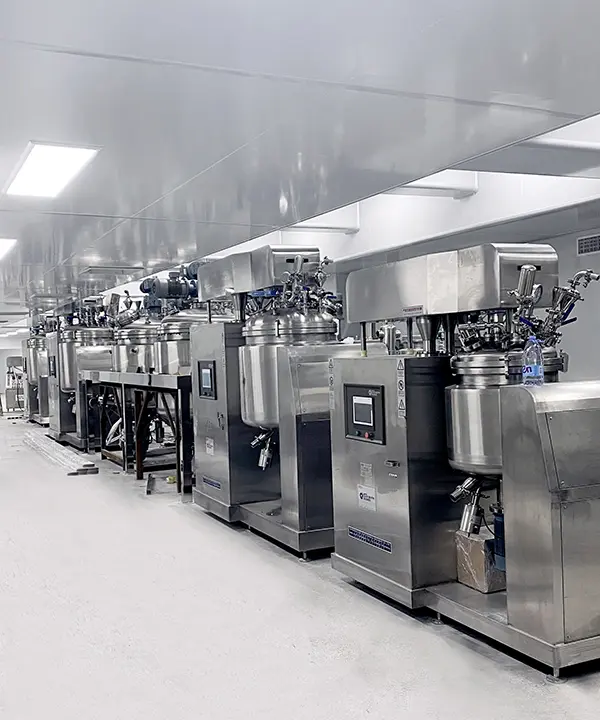
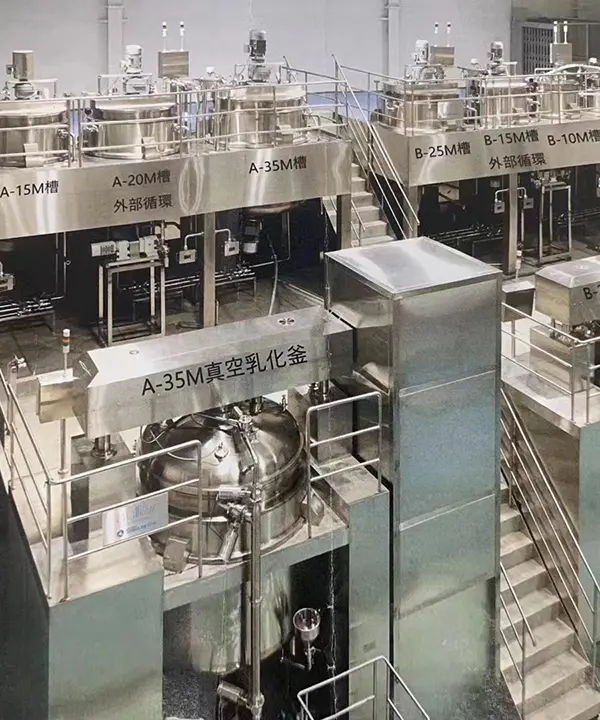
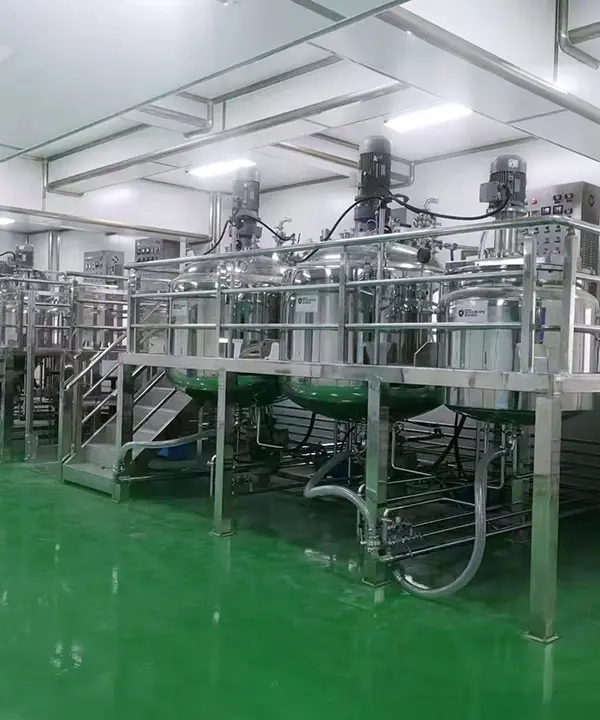
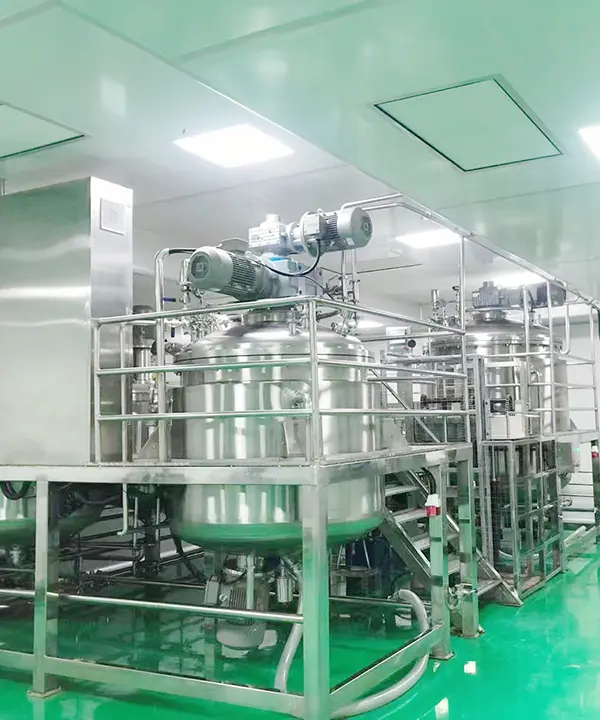
Trusted by leading brands worldwide, from cosmetic giants in France to industrial ink manufacturers in Nigeria. Our rigorous FAT (Factory Acceptance Test) and wooden export packing ensure your equipment arrives in perfect condition, ready for immediate integration.
Since our establishment, we have focused on first-class industrial equipment. Our products have earned a global reputation for quality and trust. Contact our engineering team today for a custom price list and technical consultation.
SUBMIT INQUIRY NOW