Advanced Machinery for Precision Manufacturing
In the modern industrial processing era, the requirement for homogeneity in powder and granule blending has reached unprecedented levels. The 3D Mixer Machine, also known as the multi-directional motion mixer, represents the pinnacle of material blending technology. Unlike traditional rotary mixers that rely on single-axis motion, 3D mixers utilize a complex combination of translation, rotation, and inversion to ensure that materials are subjected to a multi-point, turbulent flow within the mixing vessel.
Traditional V-shaped or Double Cone mixers often suffer from "segregation" where particles of different densities or sizes settle into layers. 3D mixing technology eliminates centrifugal force effects and gravity-driven stratification. By moving the mixing barrel in a multi-dimensional space, the material's center of gravity shifts constantly, achieving a coefficient of variation (CV) of less than 5% in significantly shorter cycles.
The global market for 3D Mixer Machines is experiencing a CAGR of approximately 6.4%, driven primarily by the stringent requirements of the Pharmaceutical (GMP) and Food Safety sectors. Europe and North America remain leaders in high-end precision mixing, while the Asia-Pacific region, led by China, has become the global hub for manufacturing and supply chain efficiency. Companies are shifting from manual batch processing to automated, integrated lines where the 3D mixer acts as a critical node in a closed-loop production system.
As a leading 3D Mixer Machine Manufacturer, China has redefined the cost-to-performance ratio in the machinery sector. The efficiency advantage is built on three pillars:
3D Mixer Machines are not a "one size fits all" solution. Their application varies significantly across regions:
Focus on GMP compliance, validation documentation, and cross-contamination prevention. Used for high-potency API blending.
Used for mixing cathode/anode materials in lithium-ion batteries where ultra-high purity and zero metal contamination are vital.
Used for blending protein powders, vitamins, and exotic spices where preserving the aromatic integrity of the product is required.
The future of mixing technology lies in "Intelligent Blending." We are currently seeing the integration of IoT sensors that monitor mixing torque and temperature in real-time. This allows for predictive maintenance and automatic adjustment of mixing speeds based on material moisture content. Furthermore, the push for "Green Manufacturing" is leading to the development of high-efficiency motors that reduce energy consumption by up to 20% per batch.
When global enterprises source 3D mixers, they prioritize Experience, Expertise, Authoritativeness, and Trustworthiness (E-E-A-T). Key checkpoints include:
Years of Engineering Excellence
Countries Exported To
Patent Certificates Held
Quality Assurance Testing
Sq. Meters Factory Space
① Mutual Communication (On-site visit if need)
② Professional Design
③ Technical Confirmation
④ Sign PI & Contract
⑤ Production – Cutting & Welding & Installation
⑥ Testing Video & FAT In Factory
⑦ Export Wooden Packing
⑧ Shipping by Sea or Air
⑨ Installation Assistance
Trusted by industry leaders across the UK, USA, Japan, and beyond.
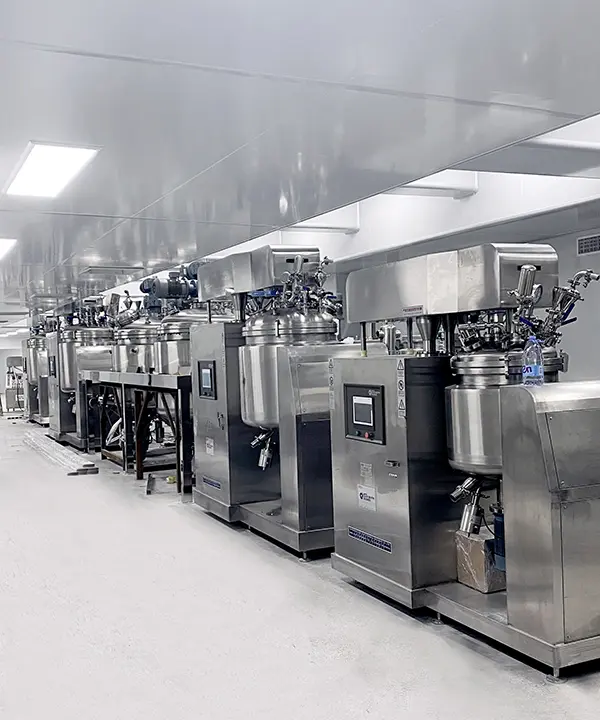 UK Project
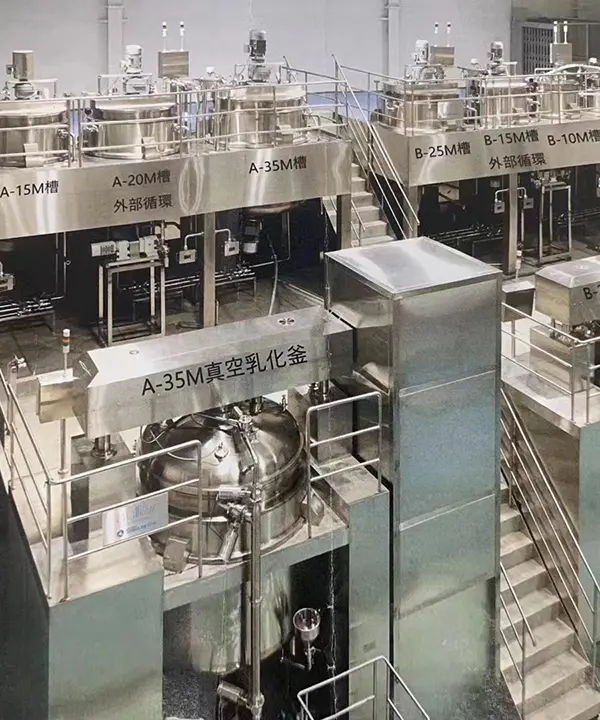 Japan Project
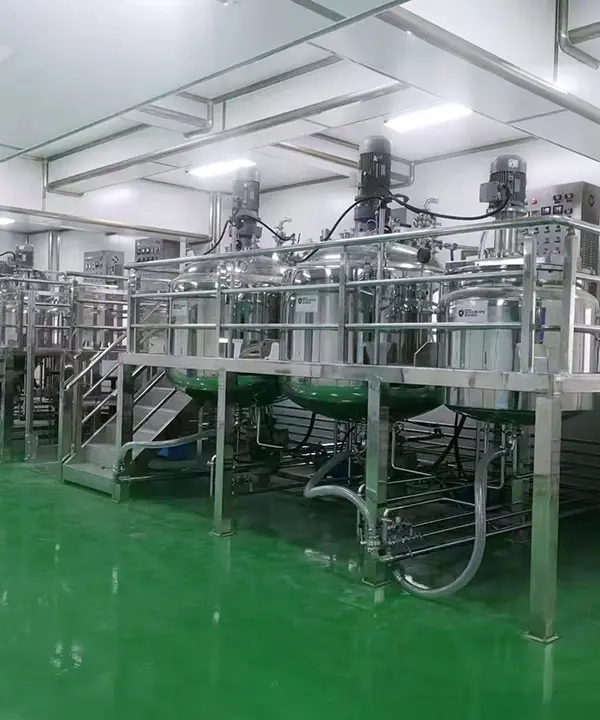 Dubai Project
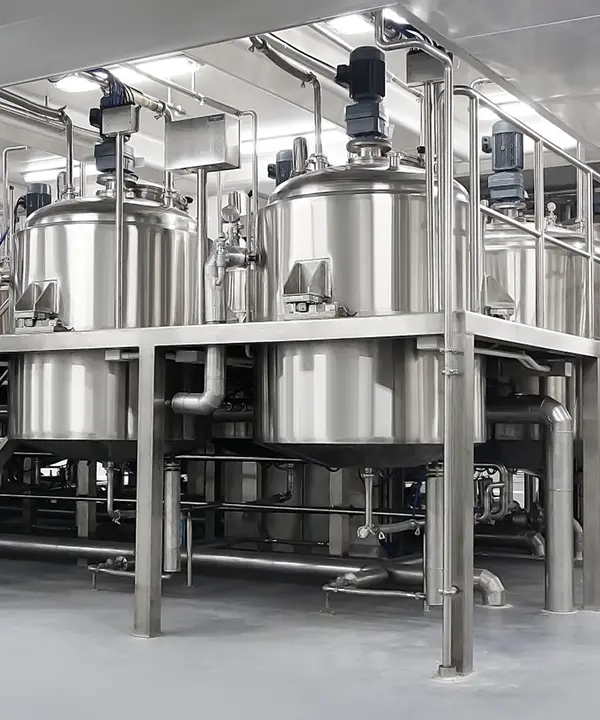 Belgium Project
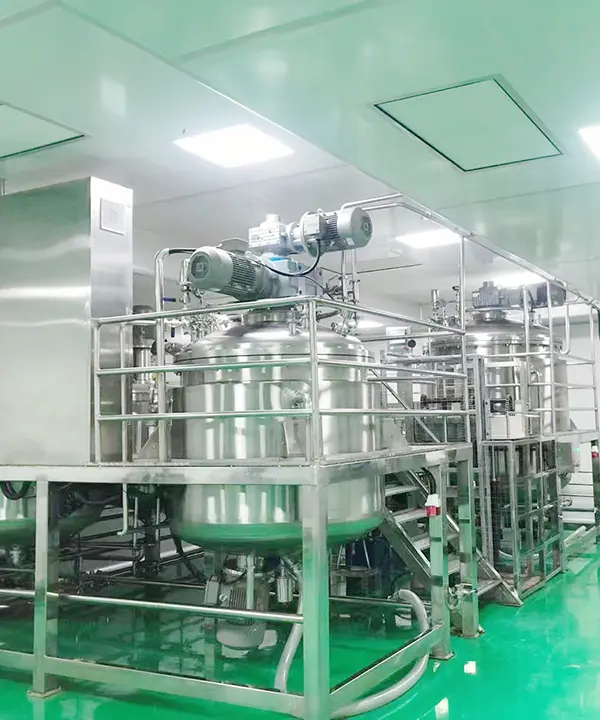 USA Project
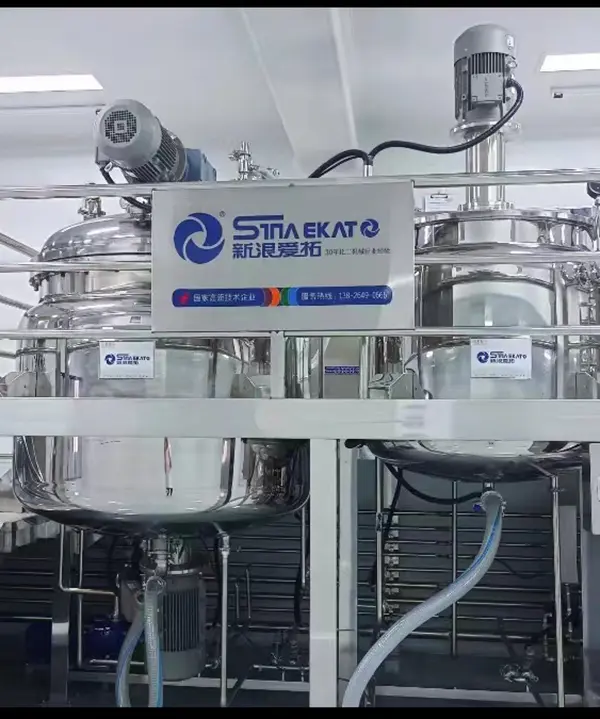 Hungary Project
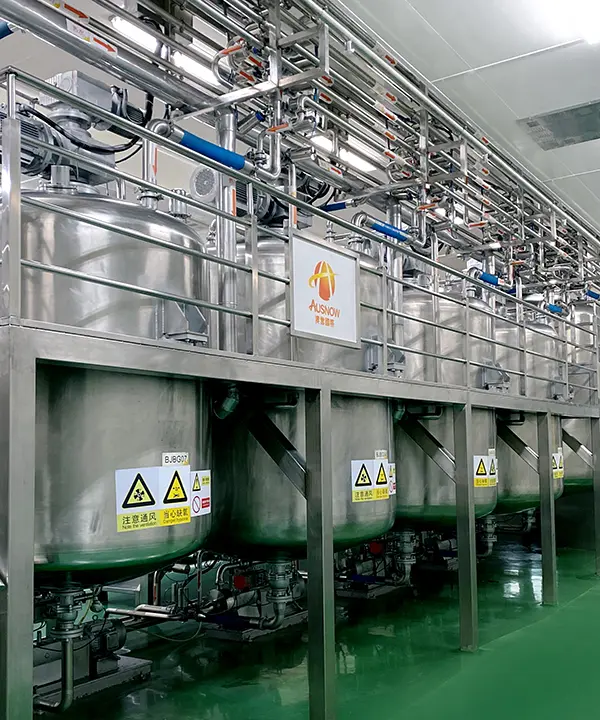 France Project
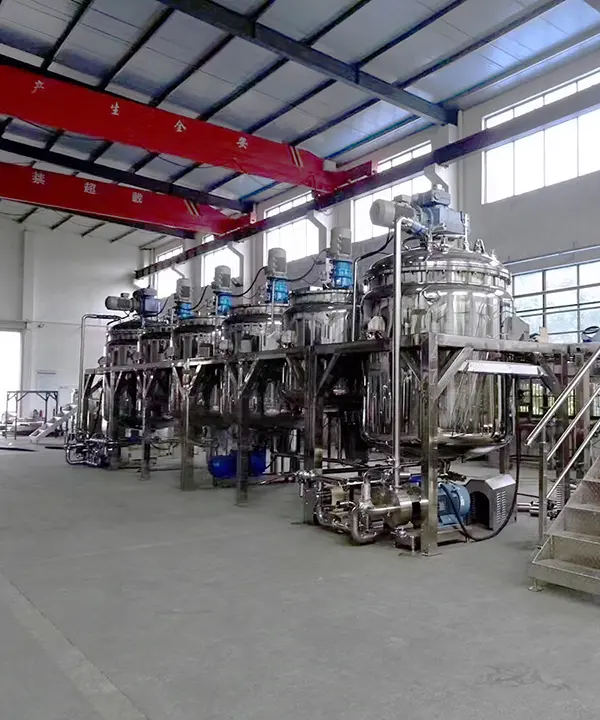 Algeria Project
Expert Insights into 3D Mixer Procurement and Operation
A: A 3D mixer moves in multi-directional axes, providing motion that involves rotation and translation. This prevents material accumulation in "dead corners" and is much more effective for high-precision blending of trace ingredients compared to the horizontal shear of a ribbon blender.
A: CE Certification ensures the machine meets European safety, health, and environmental protection standards. For importers, it simplifies customs clearance and ensures that the equipment complies with workplace safety regulations (Work Equipment Directive).
A: Yes, our 3D mixers come equipped with Variable Frequency Drives (VFD), allowing operators to adjust the speed precisely to avoid heat generation or particle degradation in fragile materials.
A: 3D mixers typically offer a higher loading factor (up to 80-85% of total volume) compared to traditional mixers (typically 40-60%), resulting in higher production efficiency per batch.
A: Yes, as a professional manufacturer, we provide a full suite of validation documents including Installation Qualification (IQ) and Operational Qualification (OQ) to support your GMP compliance requirements.
From Mixing to Packaging: Complete Production Lines